
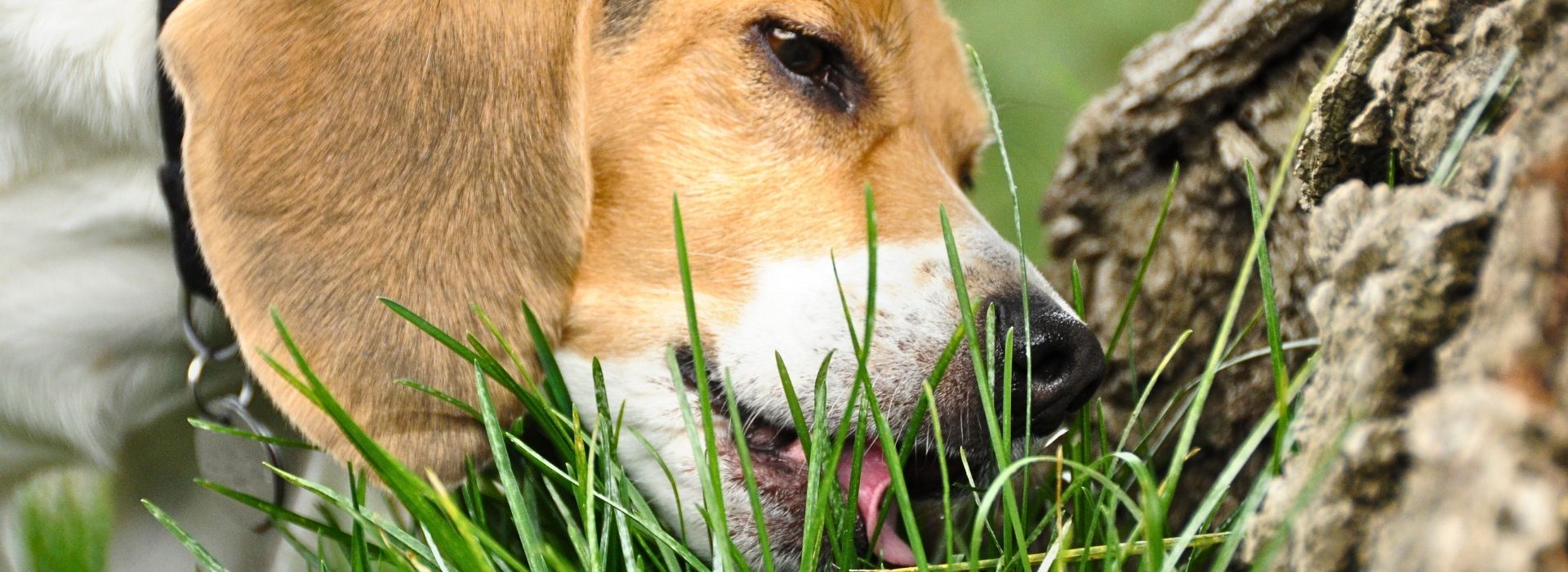
Why Dogs Eat Grass
“Unleash the Secrets: Discover Why Dogs Love to Eat Grass!” Dogs chewing or munching grass is one of the most common behaviours owners spot during walks or in the yard. The behaviour raises questions: is it normal, is it dangerous, or does it signal an underlying health or dietary problem? This article explains the likely causes, safety concerns, practical ways to reduce the behaviour, related products and supplements, recommended aftercare, spay/neuter timing, and several trusted Ontario clinics with typical price ranges for surgery.
Common Reasons Dogs Eat Grass
- Instinct and evolutionary leftover: Wild canids eat some plant material as part of a natural diet; grass-eating may be a relic of that behaviour rather than a current nutritional need.
- Dietary fibre or nutrient seeking: Dogs sometimes eat grass when their diet lacks fibre or when they benefit from increased roughage; increasing dietary fibre can resolve the habit for some dogs.
- Curiosity, taste or texture: Puppies and young dogs explore with their mouths; some dogs enjoy the texture or flavour of grass.
- Boredom or attention seeking: Dogs may chew grass to occupy themselves or to provoke attention from owners.
- Not primarily a vomiting tool: Though commonly believed to make themselves vomit, studies and owner surveys show most dogs do not frequently vomit after eating grass, and the behaviour isn’t usually a clear sign that dogs are self-inducing vomiting.
 How Digestion and Grass Interact
- Dogs are primarily carnivores but have adapted to digest some carbohydrates. Grass itself passes largely undigested through a dog’s gastrointestinal tract; it is mainly a source of indigestible fibre and bulk rather than nutrients that dogs can absorb from the plant tissue.
 Is Eating Grass Dangerous
- Pesticide and herbicide exposure: Grass treated with lawn chemicals can poison dogs. If exposure is suspected, contact your veterinarian immediately and bring product details if possible.
- Contaminated grass: Grass may be contaminated with feces from other animals, carrying parasites or pathogens such as parvovirus or intestinal parasites. Regular deworming and fecal testing can reduce the risk.
- Mechanical obstruction: Ingesting large amounts of grass, especially when mixed with non-food objects, can occasionally cause an intestinal blockage that requires emergency care.
- Secondary toxic plants: Not all leafy greens are safe; many common garden plants are poisonous to dogs—know what’s in your yard.
If your dog shows signs of distress, such as vomiting repeatedly, lethargy, or bloody stool, after grazing, seek veterinary care immediately.
When to See the Vet
Visit your vet if your dog:
- Vomits frequently after eating grass, shows lethargy, diarrhea, loss of appetite, or abdominal pain.
- Ate grass recently treated with pesticides or insecticides—bring the product label if possible.
- Shows persistent or escalating grass-eating behaviour combined with weight loss or other systemic signs, which may indicate dietary deficiency or GI disease.
 Practical Ways to Stop or Reduce Grass Eating
- Feed a balanced, AAFCO-approved diet for life stage; if fibre appears low, discuss higher-fibre, vet-recommended diets (some dogs improved after switching to a higher-fibre food).
- Timing and management: Walk and allow access to grass right after meals when dogs are less likely to seek grass.
- Distraction and training: Calmly interrupt grazing and give an alternate behaviour (sit, touch) with a reward; avoid scolding—use diversion and positive reinforcement.
- Controlled “safe grass”: Grow an untreated patch of grass or obtain pet-safe indoor grass so the dog can graze without chemical exposure.
- Leash management: Keep the dog on a leash through unknown grassy areas to prevent impulsive grazing.
 Behaviour Tools and Environmental Enrichment
Replace grazing time with interactive toys, scent games, puzzle feeders, or increased exercise to reduce boredom-driven grass eating. Training cues (leave it, focus, drop) taught with reward-based methods are effective.
Products That Help Prevent Grass Eating and Support Gut Health
Below are six product categories and representative items commonly used to address grass-eating, boredom, or lawn damage. Representative product examples from major retailers, such as Amazon, are listed after each category for convenience.
- Indoor/Outdoor Artificial Grass Pee Pads — for apartments and indoor potty training (e.g., artificial grass pads and grass tray systems)3.
- Probiotic/Digestive Support Supplements — to support gut health and reduce digestive-driven grazing (popular brands include canine probiotics and digestive enzyme blends).
- Grass-neutralizing chews for lawn burn prevention — treats with probiotics and enzymes help reduce lawn burn from urine and may help a dog’s digestive pH (examples: Nutri‑Vet Grass Guard, Green Grass Chews).
- Interactive puzzle toys and treat dispensers — reduce boredom and redirect foraging drive.
- Training sprays and deterrents — “off-limits” sprays and repellent granules for areas you want dogs to avoid (multiple formulations available).
- Indoor wheatgrass or pet-safe grass kits — controlled, chemical-free grass for supervised grazing.
Representative items and types found on major online marketplaces include reusable artificial grass potty pads, canine probiotics, grass-neutralizer chews, and puzzle feeders.
Aftercare Product Recommendations
- Post‑op E‑collar or surgical onesie: essential for preventing licking after spay/neuter; many clinics include or sell these (e.g., e-collars, surgical onesies).
- Digestive support: short-term probiotics (Flortiflora-style) after GI upset—choose veterinarian-recommended brands.
- Urine neutralizer sprays for lawns: repair yellow/brown spots and discourage repeat marking (various lawn-care products are marketed for this).
- Bite-sized food puzzle toys: keep dogs occupied while recovering from boredom-related grazing.
Note: For specific product brands and sourcing, search reputable retailers and consult your veterinarian for suitability.
Videos for Education
Educational videos that explain dog grass-eating behaviour and practical steps on Why Do Dogs Eat Grass?
 Spay and Neuter: When Is a Good Time
- Typical recommendation: Many clinics recommend spaying/neutering between 4 and 6 months of age for cats and often similar timing for dogs, though breed, size and individual medical factors can alter timing. Early spaying/neutering reduces unwanted breeding and can lessen some undesirable behaviours. Confirm timing with your veterinarian because large-breed dogs sometimes have different timing recommendations to support orthopedic development.
- Health and behaviour benefits: Spaying and neutering lowers the risk of some reproductive cancers and can reduce unwanted behaviours such as roaming and marking.
- Age limits: Most low-cost clinics accept animals from around 4 months of age and up to a specified age limit; clinics will also screen for health suitability before surgery and may have weight/age cutoffs for certain programs.
For precise timing tailored to your dog’s breed, growth, and health, discuss options with your primary veterinarian.
Top Clinics in Ontario and Typical Spay/Neuter Prices
Below are several well-known Ontario providers and their sample fees or program details. Prices vary by pet size, age and whether subsidized rates apply.
- Ontario SPCA spay/neuter program — sample fees: cat spay ~CA$143.50 (subsidized) to CA$205 (full), dog spay under 15 kg ~CA$280 (subsidized) to CA$400 (full); dog neuter under 15 kg ~CA$220.50 (subsidized) to CA$315 (full).
- Hamilton/Burlington SPCA — community-focused spay/neuter with inclusive packages. Example clinic pricing lists cat spay/neuter and dog spay/neuter services, including bundled pre-op vaccines, microchips, and post-op medication. Sample prices are reported as follows: cat spay, approximately CA$275 (or similar subsidized rates for the local community), and dog prices are scaled by size. The clinic offers low-income outreach and subsidized programs.
- Optima Pet Care / low-cost spay/neuter clinics — a network offering low-cost surgical sterilizations with recommended timing often between 4–6 months; costs positioned as lower than private hospitals, contact the specific clinic for a quote and booking.
Always confirm the current fees and availability with the clinic you plan to use, as many clinics require deposits, pre-operative instructions, and vaccinations before surgery.
How to Prepare for Spay/Neuter
- Pre-surgical exam: Most clinics require a basic exam and proof of vaccinations or offer vaccines at the visit.
- Fasting: Most dogs are fasted overnight prior to anesthesia; follow clinic instructions.
- Bring paperwork and a carrier: Bring any required forms, previous medical records and a leash or carrier for safe transport.
Aftercare for Spay/Neuter
- Prevent licking: Use an E‑collar or surgical onesie to protect the incision site (many clinics sell or include them).
- Activity restriction: Short leash walks only for about 7–14 days depending on surgeon’s instructions; avoid running, jumping, and rough play.
- Watch incision: Check daily for redness, swelling, discharge or opening. If any concerning signs appear, call your clinic.
- Medication: Give post-op pain meds and antibiotics exactly as prescribed.
Top 10+ Frequently Asked Questions (FAQs)
- Why does my dog eat grass even when healthy? Dogs often eat grass out of curiosity, instinct, boredom, or minor fibre needs; many healthy dogs graze occasionally with no illness.
- Will grass eating make my dog vomit? Only a minority of dogs vomit after eating grass; it’s not a reliable self‑vomiting behavior and most dogs do not vomit regularly afterward.
- Is it OK to let my dog eat grass I grow myself? Yes, growing a small untreated patch of grass for your dog reduces chemical exposure risks and can be a safer option.
- Could my dog be missing nutrients? Sometimes grass-eating decreases after switching to a higher-fibre or more balanced diet—consult your vet before changing food.
- Are there lawn toxins to worry about? Yes—pesticides, herbicides and some fertilizers are dangerous; if ingestion is suspected, contact a vet immediately and bring product info.
- How do I stop my dog from eating grass? Feed a balanced diet, time walks after meals, use leash control, train alternate behaviours and provide enrichment toys.
- Do probiotics help reduce grass eating? Digestive probiotics and supplements sometimes reduce GI-triggered grazing; discuss appropriate products with your veterinarian.
- When should I spay/neuter my dog? Commonly between 4–6 months, but breed and size-specific factors may change timing; consult your vet and review local clinic guidance.
- How much does spay/neuter cost in Ontario? Fees vary by clinic, size and whether subsidized programs apply; sample ranges: cat spay CA$143–205 (Ontario SPCA subsidized/full); dog spay ~CA$280–$445 depending on weight/class.
- What if my dog eats grass and then becomes lethargic? Seek immediate veterinary attention—these could be signs of poisoning, severe GI disease, or another emergency.
- Are lawn‑chew prevention treats real? Yes; some enzyme/probiotic chews aim to neutralize urine pH or support digestion and reduce lawn damage; results vary and are not a replacement for training.
- Can I give my dog fiber supplements instead of changing food? Fiber supplements can help but should be used under vet guidance to ensure correct type and dose for your dog’s needs.
Conclusion
- Grass-eating in dogs is common and often benign—driven by instinct, curiosity, dietary fiber needs, or boredom—yet it can carry risks from chemicals, parasites or obstruction. Start with diet, enrichment and training to reduce grazing. If your dog shows illness, eats treated grass, or behaviour escalates, contact your veterinarian promptly. For pet owners in Ontario, several reputable spay/neuter and low-cost clinic programs exist (Ontario SPCA, local SPCA hospitals, low-cost surgical clinics) and provide bundled services and subsidized fees; always confirm exact prices, eligibility, and pre-/post-op instructions with the clinic you choose. When in doubt, professional veterinary advice will keep your dog safe and your lawn intact.