
- HOME
- SHOP
- ABOUT US
- BARKALICIOUS
- 10 Easy Treat Recipes for your Labradoodle
- Best Lick Mats for Dogs – Thoughts from a Professional Dog Trainer
- Can Labradoodles Eat Strawberries?
- Homemade Dog Food: A Healthy Choice for Your Dog?
- Nutritious Dog Foods
- Tail-Wagging Goodness: 5 Safe Dog Biscuit Recipes for Happy Pups
- The Ultimate Guide to Tail-Wagging Treats: Make a Difference!
- CONTACT US
- Labradoodle Puppy FAQ | Cucciolini Doodles Ontario
- PARENTS
- PUPPY CARE
- RESOURCES
- Adoption Application – Labradoodles by Cucciolini
- Adoption Pricing – Labradoodles by Cucciolini Breeder Ontario
- Can I Visit the Puppies Or Parents?
- Our Adoption Process
- Puppy Stages – Labradoodles by Cucciolini
- Service Dog & Disability Support Resources
- What is the process of choosing the right puppy?
- NURSERY
- NuVet Plus® Vitamins | Labradoodle, Bernedoodle, Goldendoodle
- THERAPY
- BLOG
Puppy Care for Cucciolini Doodles
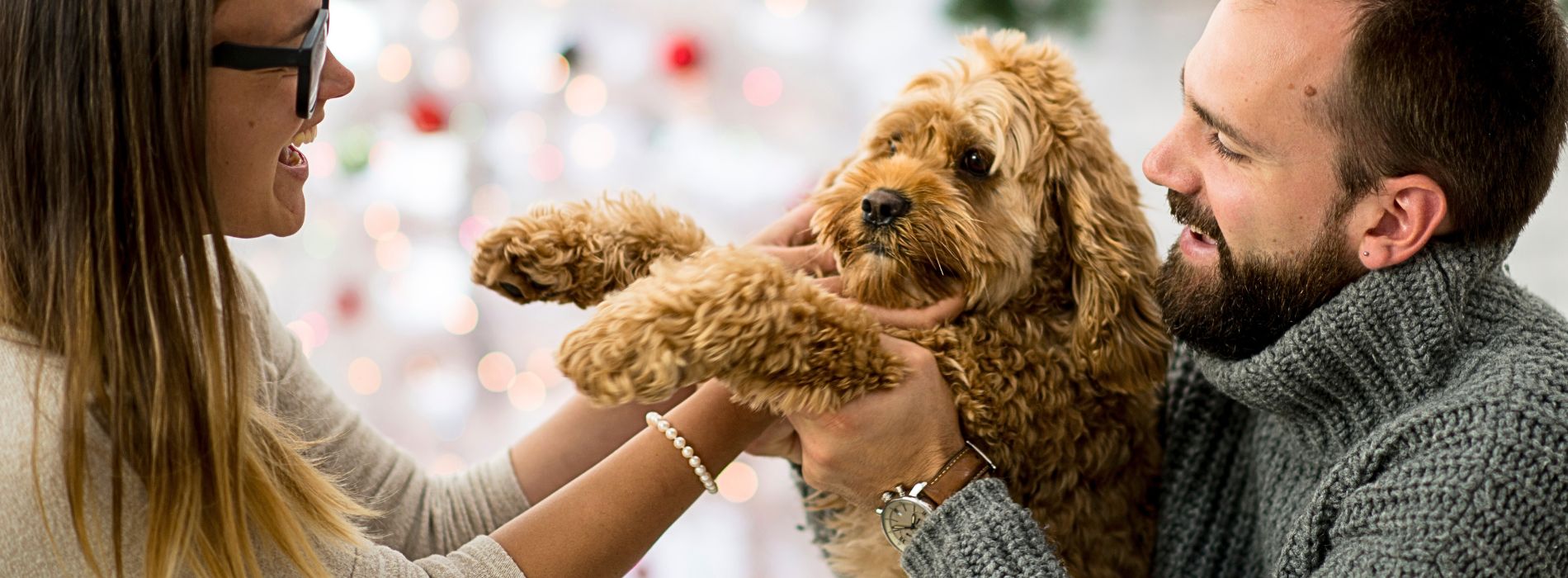
Puppy Care for Labradoodles, Goldendoodles & Bernedoodles: A Comprehensive Guide by Cucciolini Doodles
Cucciolini Doodles are highly sought-after as pets due to their adaptability, affectionate nature, and eagerness to please.
OUR OBJECTIVE IS TO BREED WELL-TEMPERED BEAUTIFUL LABRADOODLES, BERNEDOODLES & GOLDENDOODLES
Puppy Care At Cucciolini Doodles, we take pride in our breeding program that produces F1B Labradoodles with an exceptional combination of good health, excellent temperament, and captivating beauty. Our comprehensive approach ensures that the result is nothing short of perfection. Choosing one of our Labradoodles as your companion will leave you with a loving and devoted pet that will bring you endless joy and happiness throughout your lifetime.
Firstly, we introduce our Females and Males to stringent health and temperament testing. It involves assessing their overall physical well-being and their temperament traits. By carefully selecting only those dogs that meet our high standards in these areas, we strive to produce puppies with a solid genetic foundation for optimal health and balanced temperaments.
Besides genetics, early experiences also play a critical role in shaping a puppy’s development. Therefore, we give priority to exposing our puppies to enriching experiences that are suitable for their age. This includes providing them with various stimuli and socialization opportunities, which help them grow into well-rounded individuals.
COMPANIONSHIP & PUPPY CARE
Labradoodles are an excellent choice for those seeking a furry companion. Their Labrador Retriever and Poodle genetics create a mix of various highly sought-after qualities, making them exceptional for families and individuals with disabilities.
ADAPTABILITY
One standout characteristic of Labradoodles, Goldendoodles & Bernedoodles is their adaptability. Whether you live in an apartment or a spacious house, Doodles can easily adjust to various living environments. They are equally content playing indoors or exploring the great outdoors, making them suitable for city dwellers and those with access to open spaces.
AFFECTIONATE NATURE
If you’re looking for a loyal, devoted, and affectionate pet, a Doodle will be the perfect fit. These furry companions have the qualities to form strong bonds with their owners and thrive on interaction with children. Their loving demeanour makes them great companions for anyone seeking an attentive and caring pet.
PUPPY CARE CREATES QUICK LEARNERS
Another quality that separates Doodles is their eagerness to please all they encounter. These intelligent dogs are quick learners who enjoy training sessions and excel in obedience training exercises. Their eagerness to please their owners not only makes training enjoyable but also ensures they can easily adapt to household routines.
SOCIABLE
Friendliness is inherent in the Labradoodle breed. They tend to be friendly with humans and other animals, making them acceptable additions to multi-pet households or families with children. Their friendly nature extends beyond the home, as they often enjoy meeting new people during walks or trips to the park.
INTELLIGENT TRAITS
Intelligence is another notable trait of Labradoodle, Bernedoodle and Goldendoodle. With genes from Labrador Retrievers (known for their intelligence) and Poodles (recognized as one of the smartest breeds), these dogs possess exceptional problem-solving skills and exhibit high levels of mental acuity.
SENSITIVE
Sensitive by nature, our Doodles are attuned to the emotions of those around them. This sensitivity allows them to provide comfort and support when needed, making them excellent therapy dogs or emotional support animals.
PUPPY CARE AND CALM DISPOSITION
When properly exercised and stimulated, our doodles are surprisingly calm despite their intelligence and energy levels. They can adapt to various activity levels, making them suitable for active individuals seeking a hiking companion and those who prefer a more relaxed lifestyle.
SOCIAL
Last but not least, our doodles are social animals. They enjoy being part of the family unit and thrive in environments with constant, regular interaction and companionship. Their sociability also makes them great candidates for dog-friendly events or playdates.
In Conclusion
Doodle Puppies are highly desirable pets due to their numerous positive qualities. Their adaptability allows them to fit into various living situations easily, while their affectionate nature and eagerness to please make them loving and loyal companions. Their sociability also ensures they get along well with humans and other animals.
Lastly, their hypoallergenic coats make them suitable for individuals with allergies. Overall, Labradoodle, Bernedoodle & Goldendoodle puppies offer a wonderful combination of traits that make them versatile and cherished furry friends for any individual or family.